PSR Project Portfolio
These are the bridges we're building.
Eco-Tourism · Fiji Highlands
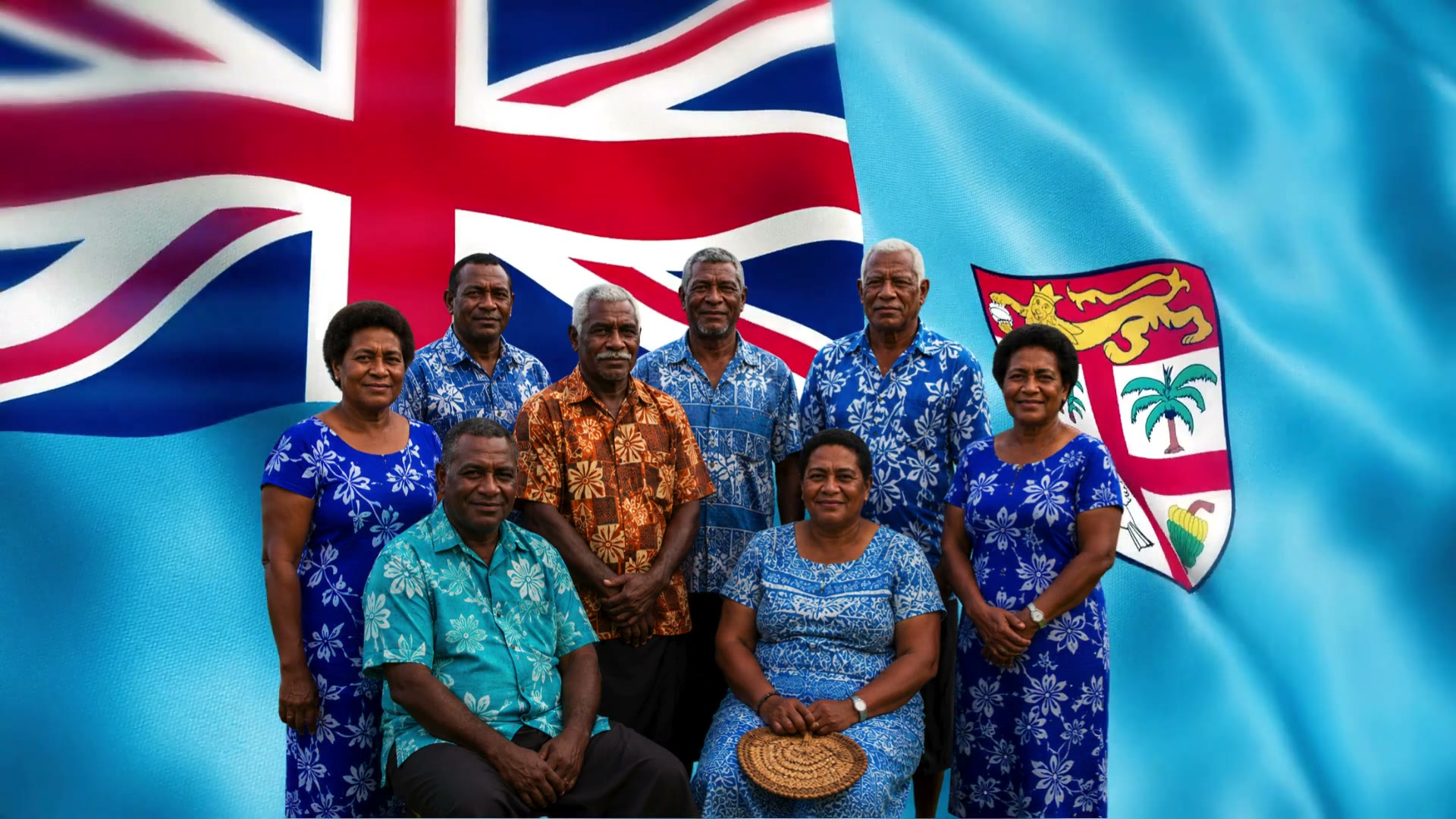
Fiji's highland regions represent one of the Pacific's most significant untapped development frontiers. Beyond tourism alone, the Mountain Tourism Development Model seeks to unlock integrated economic opportunities across eco-tourism, cultural preservation, infrastructure development, agriculture, conservation, hospitality, and community enterprise. The Mountain Tourism Development Model builds upon a broader vision championed by Dr. Yolinda, focused on creating sustainable economic opportunities in Fiji's highland regions through community-led tourism, infrastructure development, cultural preservation, and responsible investment. PSR's role is to support and advocate for this vision by working closely with iTaukei landowners and resource owners, helping prepare communities for potential development opportunities and joint venture participation. Acting as a bridge between stakeholders, PSR facilitates engagement, manages expectations, and promotes constructive dialogue between landowners, investors, and development partners. Working collaboratively, Dr. Yolinda focuses on attracting strategic investors, international partners, and development expertise, while PSR works alongside resource owners to ensure communities are informed, prepared, and positioned to participate meaningfully in future projects. Together, this collaborative approach seeks to align stakeholder interests, create realistic development outcomes, and establish a framework where landowners remain central beneficiaries of long-term mountain tourism development.
View Full Brief →Eco-Tourism
Fiji Highlands Mountain Eco-Tourism
Fiji Highlands
Investment · Shanghai, China
Shanghai remains the premier gateway for Pacific-bound Chinese capital. PSR's working relationship with the Trade Commission Office of the Consulate General of Fiji in Shanghai provides valuable access to facilitate introductions and engagement between Chinese investors and Pacific investment opportunities.
View Full Brief →Investment
Shanghai Investment Capital
Shanghai, China
Investment · Suva & Nadi, Fiji
Fiji's commercial property sector continues to show strong long-term fundamentals driven by tourism growth, expanding urban infrastructure, and increasing demand for quality-grade commercial assets in key locations such as Nadi and Sigatoka. The market remains selectively developed, creating structured entry opportunities for qualified international investors seeking exposure to stable, yield-driven assets within the Pacific region. EXCLUSIVE COMMERCIAL DEVELOPMENT OPPORTUNITIES THE GROUNDWORK HAS ALREADY BEEN DONE Through extensive research, stakeholder engagement, and relationship building, PSR's Directors have identified a number of commercial development opportunities across Fiji with strong investment potential. These are not random listings sourced from public databases. Each opportunity has been individually reviewed, assessed, and discussed directly with property owners and, where applicable, their appointed agents and representatives. As part of this process, we have taken the time to understand the property's potential, ownership structure, development considerations, and strategic value before introducing opportunities to prospective investors and development partners.
View Full Brief →Investment
Commercial Property Investment
Suva & Nadi, Fiji
Joint Venture · Fiji - Pacific
Resource owners across the Pacific hold significant natural wealth, yet in many cases lack access to the institutional, legal, and financial structures required to unlock that wealth on their own terms. The gap is not in assets, but in structure, access, and alignment. PSR operates as a facilitation partner, bringing together resource owners and credible investors into structured, transparent, and mutually beneficial joint ventures. The core focus is ensuring that development does not extract value from communities, but is built with them, through them, and for their long-term benefit.
View Full Brief →Joint Venture
Resource Owners & Community Partners
Fiji - Pacific
Agri-Investment · Fiji
Pacific Silk Road operates as a dedicated facilitation platform connecting investors and institutional partners with potential opportunities in Fiji's water, seafood, aquaculture, and natural export sectors. PSR does not invest in, develop, or operate any project. Its function is to maintain active relationships with resource owners, fishing communities, government stakeholders, and industry participants across Fiji — and to facilitate introductions where alignment exists between parties. Fiji's maritime territory spans over 1.3 million square kilometres of ocean, one of the largest exclusive economic zones in the Pacific. Within this natural resource base, PSR has identified potential areas of stakeholder interest and investor attention across several high-value sectors. PSR's engagement is positioned to support responsible, community-aligned pathways toward commercial exploration — not to develop, structure, or execute commercial outcomes on behalf of any party.
View Full Brief →Agri-Investment
Fiji Seafood & Water Investment Opportunities
Fiji
Hospitality Investment · Moganshan, China
In June 2025, PSR Director Vuki was formally invited by Dr. Yolinda Chan and a group of senior Chinese investors to visit Shanghai and Moganshan, Zhejiang Province, China. The visit provided a unique opportunity to observe firsthand one of China's most successful eco-luxury tourism regions and to understand how natural landscapes can be transformed into globally competitive destinations while preserving environmental integrity and cultural identity. Within the bamboo-covered mountains of Moganshan lies Naked Stables Reserve, a leading example of eco-luxury hospitality development in China. The broader Moganshan region has become internationally recognized for its integration of nature, tourism, and community participation, offering a practical model of how long-term value can be created from natural assets without environmental degradation. Rather than forcing development onto the land, the Moganshan approach works with the terrain. Architecture is designed to follow the natural contours of the mountains, with careful attention to environmental balance, low-impact construction principles, and the preservation of surrounding forests and ecosystems. The result is a destination where the natural environment is not replaced but enhanced as the central asset of the tourism experience. MOGANSHAN AS A DEVELOPMENT MODEL What makes Moganshan particularly significant is not only the quality of its hospitality offerings, but the way the entire region functions as an interconnected economic and ecological system. Over time, Moganshan has evolved into a diversified tourism economy where hotels, resorts, local villages, farmers, artisans, service providers, and small businesses all participate in the value created by tourism activity. The success of the region demonstrates how natural assets can become the foundation for sustained regional development without extraction or depletion of resources. The mountains, forests, scenery, and cultural setting themselves become the primary economic drivers. This ensures that preservation of the environment is directly aligned with the long-term commercial interests of all stakeholders. ALIGNMENT OF STAKEHOLDERS A key insight from the Moganshan model is the alignment of interests between all participating groups within the development ecosystem. Landowners and Resource Holders — The natural environment becomes a long-term income-generating asset while remaining intact for future generations. Land value is preserved and enhanced through sustainable use rather than extraction. Local Communities — Employment opportunities are generated across hospitality, transport, agriculture, construction, maintenance, guiding services, cultural tourism, wellness, and small business development. Economic participation is distributed across the community rather than concentrated in a single entity. Investors — Investors gain access to stable, long-term returns through exposure to growing demand in eco-tourism, wellness travel, and experiential luxury markets anchored in irreplaceable natural environments. Hospitality Operators — Operators benefit from unique natural settings that cannot be replicated in urban environments, creating long-term competitive advantage and destination exclusivity. Government and Public Stakeholders — Tourism-led development contributes to employment creation, infrastructure development, tax revenue generation, and broader regional economic stimulation, while reinforcing environmental protection priorities. Environmental Interests — Sustainable tourism structures create strong incentives for conservation, as the long-term success of the destination depends directly on the preservation of the natural ecosystem. LESSONS FOR FIJI Fiji's mountainous regions, forests, river systems, and traditional landholdings represent some of the most valuable yet underutilized natural assets in the Pacific. Historically, many rural and highland communities have had limited pathways to unlock the economic potential of their land beyond traditional agriculture or extractive industries. The Moganshan experience demonstrates that an alternative development pathway exists—one that allows communities to generate sustainable long-term income while maintaining ownership, protecting cultural identity, and preserving the natural environment.
View Full Brief →Hospitality Investment
Naked Stables Reserve
Moganshan, China